Even when your pipelines are built to last, nothing lasts forever. In Calgary, where freeze-thaw cycles, shifting soils, and harsh weather take a toll on underground infrastructure, knowing how long your pipes will last is essential.
Have an older home or experiencing constant plumbing problems? The age and condition of your pipes are the likely culprit. Understanding their lifespan helps you plan for repairs or replacements before you’re hit with an emergency.
At Mr. Trenchless, we inspect and repair aging pipelines almost every day. Whether your pipes are wearing out or need a little TLC, we can help you make the right call.
Table of Contents
ToggleHow Long Do Different Types of Pipelines Last?
The lifespan of your people depends on the material. Here’s what you can expect:
Cast Iron Pipes: 50-100 years
Most common in older Calgary homes, cast iron pipes are durable, but can rust or corrode over time. Once it starts deteriorating, it can crack or collapse.
Clay Pipes: 50-60 years
Usually found in homes built before the 1980s, clay is brittle and vulnerable to tree root intrusion and ground shifting.
Galvanized Steel Pipes: 20-50 years
Popular mid-century, galvanized pipes corrode from the inside out. If your home was built in the 1950s-1970s, these pipes may already be failing.
Copper Pipes: 50-70 years
Reliable and built to last, copper resists corrosion, but can be damaged by acidic water or soil conditions.
PVC Pipes: 25-40 years
Lightweight and affordable, PVC is often used for drain lines. It resists corrosion, but may crack in extreme cold or under pressure.
ABS Pipes: 50-80 years
Like PVC, these pipes are more durable in freezing temperatures and are usually used for sewer lines in newer homes.
PEX Pipes: 40-50 years (estimated)
This newer material is flexible and freeze-resistant. However, its lifespan is still being evaluated because of its novelty.
HDPE Pipes: 50-100 years
High-density polyethylene is durable and resistant to corrosion, which is perfect for modern installations.
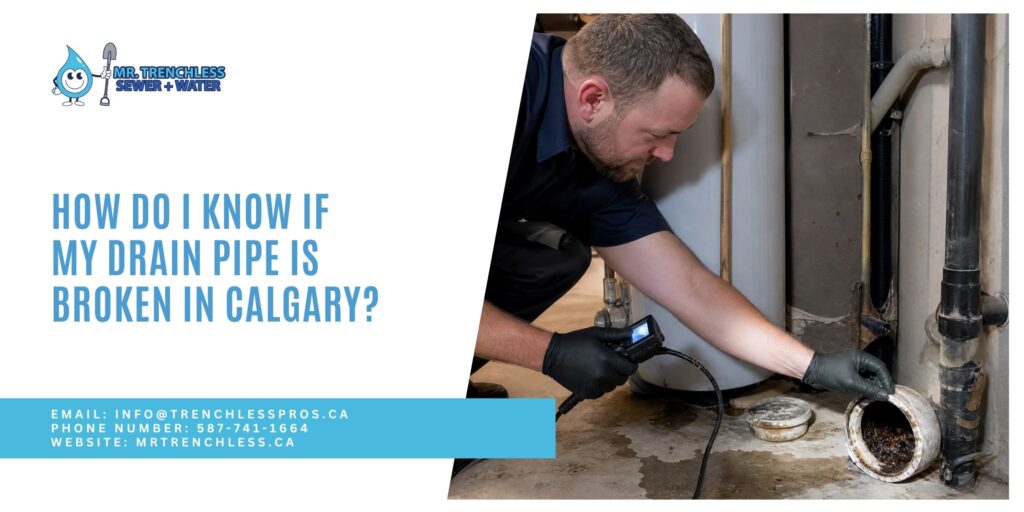
What type of pipes do you have? Unsure? A camera inspection will tell you.
Factors That Affect Pipeline Lifespan
You can choose the best material, and it still won’t last forever, especially in harsh conditions. Here’s what shortens pipeline lifespan in Calgary:
- Freeze-Thaw Cycles: Our weather is unpredictable—when temperatures swing, the ground can expand and contract, stressing your pipes and leading to cracks and breaks.
- Soil Composition: Shifting or acidic soils can corrode pipes faster, while clay-heavy soils also shift more during freeze-thaw cycles, increasing the risk of damage.
- Water Quality: Hard water, high mineral content, or acidic water can corrode pipes from the inside. Galvanized and copper pipes are particularly vulnerable.
- Tree Root Intrusion: Roots looking for moisture slip into small cracks and joints. Once inside, they expand, causing blockages and ruptures.
- Poor Installation: Incorrect installation can lead to improper slop, weak joints, or inadequate bedding, causing your pipes to fail sooner.
- Lack of Maintenance: When pipes never get inspected or cleaned, they accumulate buildup, accelerating wear and tear.
Calgary’s weather is tough on pipes. Regular maintenance and inspections will help you get the most out of your system.
Signs Your Pipelines are Aging
How do you know if your pipes are reaching the end of their lifespan? Look out for these warning signs:
- Recurring Clogs: Frequent backups are signs of corrosion or root intrusion.
- Discolored Water: Rusty or brown water means your pipes are corroding.
- Low Water Pressure: Buildup or leaks reduce flow throughout your home.
- Foul Odours: Sewage smells signal cracks or breaks in your sewer line.
- Soggy Patches in Your Yard: Underground leaks saturate the soil above.
- Foundation Cracks: Leaking pipes can erode the soil around your foundation.
- Visible Corrosion: If rust or green buildup is on your exposed pipes, underground sections are likely affected as well.
- Home Age: If your home is over 50 years old and has never had a pipe inspection, it’s time to check.
Ignoring these signs is never a good idea. All you’re doing is making repairs more expensive down the line.
How to Extend the Life of Your Pipelines
While it’s impossible to stop your pipes from aging, there are ways to slow down the process. Here are our tips:
- Schedule Regular Inspections: Annual camera inspections catch small issues before they turn into major failures, saving you money in the long run.
- Use Hydro-Jetting: This clears buildup, grease, and debris without damaging your pipes. It keeps water flowing freely and reduces corrosion.
- Avoid Harsh Chemicals: Chemical drain cleaners corrode pipes over time. Stick to professional cleaning methods instead.
- Manage Tree Roots: Avoid planting large trees near sewer lines. If roots are already an issue, regular inspections and preventative treatments keep them in check.
- Install a Water Softener: If you have hard water, a softener reduces mineral buildup and extends the lifespan of your pipes.
- Upgrades Problem Areas: If one section of your pipeline is failing, spot repairs or relining can reinforce it without replacing the entire system.
Preventive maintenance always costs less than emergency replacements.
When to Replace vs. Repair Your Pipeline
As your pipes age, you’ll get closer to replacing them over time. Here’s how you can decide whether repair or replacement is the right option:
Consider repair if:
- Damage is isolated to one or two sections.
- The rest of the system is in good condition.
- Your pipes are still within their expected lifespan.
- Trenchless spot repairs or relining can fix the issue.
Consider replacement if:
- Multiple sections are failing.
- Your pipes are past their expected lifespan.
- You’re experiencing frequent, recurring problems.
- A camera inspection reveals widespread corrosion or collapse.
At Mr. Trenchless, we’re honest with you. We only recommend replacements if it’s truly necessary.
Trenchless Solutions for Aging Pipelines
Aging pipes don’t always need to be replaced. Trenchless technology offers long-lasting solutions without the mess:
- CIPP Relining (Cured-In-Place Pipe): A seamless liner is inserted into your existing pipe and cured in place, creating a “pipe within a pipe.” It’s an effective way to seal cracks, stop leaks, and extend your system’s life by 50+ years.
- Spot Repairs: For localized damage, we repair only the affected section using trenchless methods so it’s fast, affordable, and effective.
- Pipe Bursting: When replacement is necessary, pipe bursting lets us pull a new pipe through the old one while breaking it apart. In other words, no trenches or landscaping damage.
Trenchless repairs are durable, cost-effective, and far less disruptive than traditional excavation.
Schedule Your Pipeline Inspection in Calgary Today
How long do pipelines last? It comes down to the material, installation quality, and maintenance. At Mr. Trenchless, we understand the difference Calgary’s harsh climate, regular inspections, and preventive care can make.
Don’t wait for failure. Contact us to book an inspection today!