It’s easy to overlook your home’s drainage system. That said, when it stops working, you’re sure to notice. Like any infrastructure, it has a lifespan and with Calgary’s combination of climate, soil conditions and pipe materials, lifespans can vary from home to home.
So how long does a drainage system last? What shortens its lifespan and what signs should you watch out for to save you from a costly emergency down the line? Let’s get into it.
Table of Contents
ToggleWhat is a Drainage System?
Before we get into lifespan, it’s important to understand what a residential drainage system actually includes. Yes, it’s the pipes under your sink, but there are more parts than you think. A complete home drainage system covers:
- Interior Drain Lines: The pipes inside your walls and floors carry wastewater from fixtures to the main stack.
- The Main Sewer Stack: This large vertical pipe collects drainage from interior lines and directs it out of the home.
- The Sewer Lateral: The underground pipe runs from your home to the city main at the street, which makes it the vulnerable part of your system.
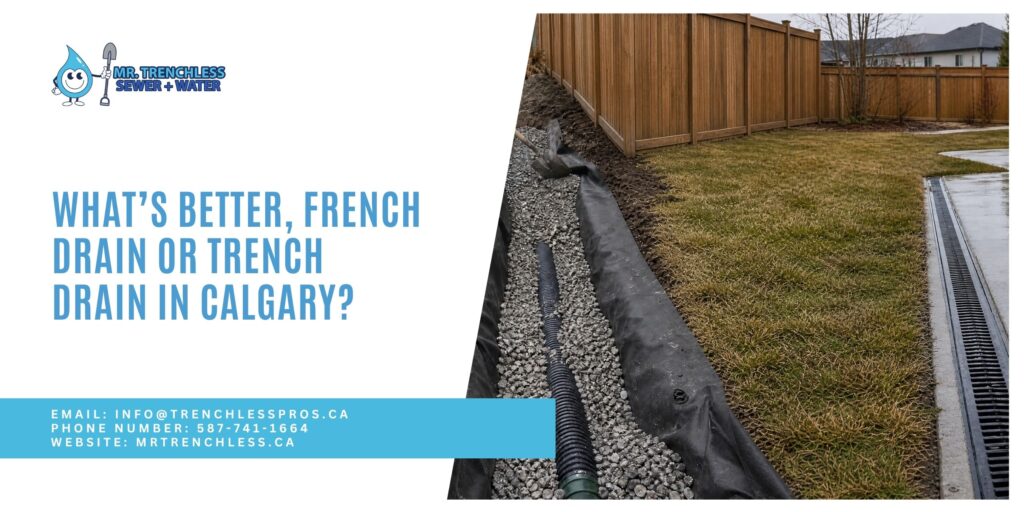
- Weeping Tile and Perimeter Drainage: The system around your foundation collects groundwater and directs it away from your home.
- The Water Service Line: While it’s a supply line, not drainage, it’s part of the same underground infrastructure and fails for most of the same reasons.
Each component has its own lifespan. Because of this, they can all fail for different reasons.
How Long Do Different Parts of a Drainage System Last?
While pipes are the most prominent part of your drainage system, you also have to consider the weeping tile. Learn about different materials below:
- Cast Iron Pipes: Most common in Calgary homes built before the 1970s, cast iron is durable, but can corrode over time. These pipes tend to last 50-100 years so they are already approaching or past their lifespan in older Calgary neighbourhoods.
- Clay Pipes: Used in some of Calgary’s oldest residential builds, clay lasts 50-100 years under ideal conditions. That said, clay-heavy soils and freeze-thaw cycles make ideal conditions rare.
- Orangeburg Pipes: A paper-and-pitch composite used as a post-war shortcut, Orangeburg was never meant to be permanent. Pipes tend to fail before the 50-year mark and should be considered end-of-life in any home built between the 1940s and 1960s.
- ABS and PVC Plastic Pipes: As the modern standard since the 1970s, these pipes are your most durable and low-maintenance option. They last 50-100 years under normal conditions.
- Weeping Tile (Clay or Concrete): Older perimeter and drainage systems used clay or concrete tile, which can last 30-50 years before sediment buildup, root intrusion or ground movement results in failure.
- Weeping Tile (Plastic): Modern plastic weeping tile is durable and better at handling ground movement. The expected lifespan is 50 years or more.
Why is Calgary Harder on Drainage Systems Than Most Cities?
The lifespans of drainage systems assume they are under relatively stable conditions. In Calgary, we don’t have that. Local factors that shorten the lifespan of drainage systems include:
- Freeze-Thaw Cycles: Without fail, the ground freezes every winter and thaws every spring. The constant movement shifts pipes, cracks joints and creates the bellied sections and separations that result in blockages and backups. This can happen years before a pipe would otherwise fail.
- Clay-Heavy Soil: It expands when wet and contracts when dry. As decades pass, this cyclical pressure can wear down pipe walls, separate joints and crush older or already-weakened sections.
- Tree Root Intrusion: In Calgary’s more established neighbourhoods, mature trees travel long distances looking for moisture and unfortunately, drain pipes help them get their fix. After finding a hairline crack, roots exploit it, eventually blocking or collapsing the line altogether.
- Hard Water: Accelerating interior corrosion and mineral buildup, it narrows the diameter of metal pipes, reducing flow capacity before the pipe fails structurally.
- Aging Infrastructure: In older Calgary communities, several homes are sitting on pipes at or past their expected lifespan, many homeowners aren’t aware of it either.
Calgary can be tough on your drainage system. If you’re concerned about your system being at the end of its lifespan, schedule an inspection service with our team.
What Are Signs Your Drainage System is Nearing the End of Its Lifespan?
While camera inspection can help, you don’t always need one to suspect a problem. Look out for:
- Slow drains throughout the house (not isolated to one fixture, but systemic)
- Recurring backups that return shortly after clearing
- Gurgling or bubbling from drains or toilets
- Sewage odours inside or outside the home
- Wet or unusually green patches in the yard during dry periods
- Cracks or water staining on basement walls or floors near drain lines
- A home over 30 years old with no known history of drain line inspection or replacement
If you’re experiencing one or more of these in an older home, you should be concerned. It’s also a sign to schedule a professional assessment.
Does the Whole System Need to Be Replaced at Once?
If you have a problem with one part, you don’t always have to replace the entire drainage system. For example interior lines might still be in reasonable shape while the sewer lateral has collapsed. In other cases, weeping tile may fail while the main stack is working.
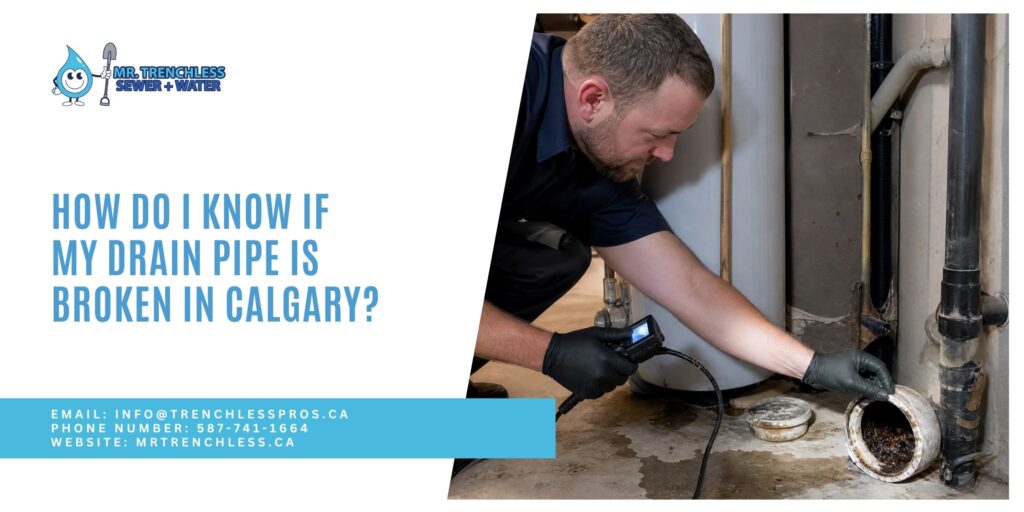
A proper assessment is the first step. This typically includes a camera inspection of the main line to identify which components are failing and which can be left alone. Replacing a part or two parts is more affordable than a full system overhaul.
At Mr. Trenchless, we start every job with an assessment. We base our recommendations on what your system needs, not what’s easiest or most profitable for us.
What Are the Repair and Replacement Options?
The first step is identifying any failing components. The repair solution depends on the problem and where it is:
- Pipe Bursting: The trenchless repair method replaces a failing underground pipe by pulling a new one through the old, breaking the old pipe outward as it goes. It prevents the cost and disruption of open excavation and is one of our specialties.
- Hydrovac Excavation: It safely exposes underground pipes near utilities or in tight spaces without destroying landscaping or surrounding infrastructure. It’s commonly used for assessment and targeted repairs.
- Full Excavation and Replacement: Necessary for more extensive failures, when the pipe material is beyond saving or when site conditions make trenchless method impractical, full residential excavation is sometimes essential.
- Weeping Tile Replacement: this foundation drainage repair is excavating around the perimeter of the home, removing the failed system and installing new perimeter drainage. Although it’s a big job, it’s essential when the existing system can no longer protect the foundation.
When Should You Get a Drainage System Assessment?
Is your home over 30 years old without a record of drain line inspection or replacement? A proactive assessment from Mr. Trenchless will show what’s down there. It’s more affordable than an emergency replacement and means less water damage than a full drainage system failure. We proudly serve Calgary and surrounding areas with 24/7 availability.
Dealing with an active problem or want to understand the condition of your system before something goes wrong? Contact us today!