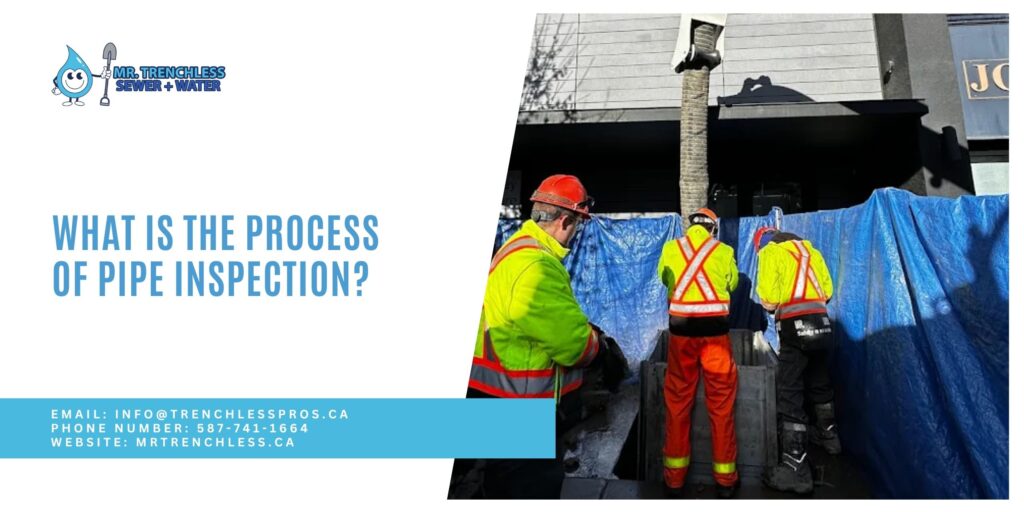
Your pipes are hidden beneath your floors, walls, and yard, simply doing their job—you probably don’t think much of them until something goes wrong. How do you find out what’s going on underground without tearing up your property?
Modern pipe inspection is the answer. In Calgary, freeze-thaw cycles, aging infrastructure, and shifting soils constantly put pressure on your plumbing, making it essential to know the condition of your pipes.
At Mr. Trenchless, we use camera inspection technology to see what’s happening without the guesswork or digging. Clear, honest answers come first.
Table of Contents
ToggleWhat is Pipe Inspection?
Pipe inspection is the process by which plumbers examine the inside of your pipes. It’s possible without excavation. Using specialized cameras and detection equipment, plumbers can identify a variety of problems, including:
- Blockages
- Cracks
- Corrosion
- Root Intrusion
It’s like an X-ray for your pipes. Rather than guessing, you can see the problem in real-time and pinpoint the location and severity of the damage.
Why Pipe Inspection is Important
Your pipes have to work hard year-round, especially in Calgary. As a result, your system will start to develop wear and tear. Inspections help you:
- Catch Problems Early: Small cracks or buildup can be fixed before they get worse.
- Avoid Unnecessary Digging: Trenchless technology lets you locate issues without damaging your landscaping or driveway.
- Save Money: Preventative inspections cost less than emergency repairs or full pipe replacements.
- Protect Your Property: Leaks and corrosion can damage your foundation walls and yard if left unchecked.
- Ensure Compliance: Home inspections and real estate transactions often require pipe assessments.
Experiencing issues or want peace of mind? Inspection is the first step toward a healthy plumbing system.
The Pipe Inspection Process Step-by-Step
What happens during a professional pipe inspection? Here’s how Mr. Trenchless does things:
-
Initial Inspection
We start by discussing your concerns. Do you notice slow drains, foul odours, or wet spots in your yard? This conversation determines which pipes are inspected and what to look for.
-
Assessing the Pipeline
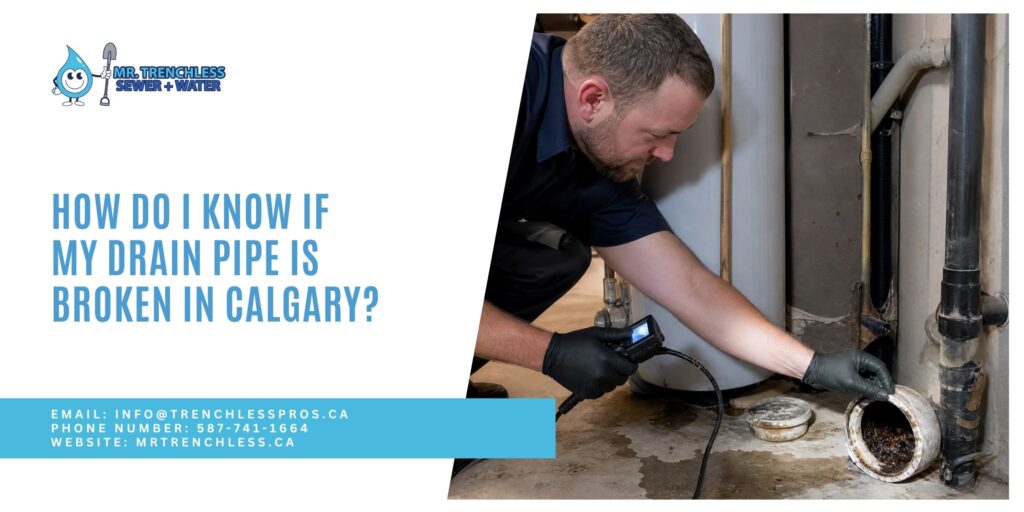
We locate the nearest access point, which is often a cleanout, drain opening, or existing plumbing fixture without any excavation.
-
Camera Inspection
We insert a high-definition, waterproof camera attached to a flexible cable into your pipeline. The camera travels through your entire system and transmits live footage to an above-ground monitor.
-
Real-Time Video Inspection
As the camera moves through your pipes, we look for:
- Cracks or fractures
- Corrosion or rust
- Tree root intrusion
- Blockages or buildup
- Collapsed or misaligned sections
- Scale or mineral deposits
-
Documentation and Analysis
We record the inspection footage to determine the location and depth of any issues the camera picked up. You’ll get a detailed report with video evidence.
-
Recommendations
Based on our findings, we provide repair or maintenance options. Whether it’s hydro-jetting to clear buildup, spot repairs, or full pipe relining, you’ll know what’s needed and why.
Types of Inspection Methods
No two pipe inspections are alike. Depending on your system and concerns, we use different diagnostic tools:
- CCTV Camera Inspection: A high-resolution camera travels through your pipes to provide a visual assessment. It’s commonly used for sewer lines, drain lines, and water mains.
- Hydrostatic Testing: This pressure test picks up leaks in the water line by measuring pressure loss within the system. It’s great for confirming suspected leaks.
What makes sense for you? When you choose Mr. Trenchless, we’ll use the right method for your specific situation.
What Our Technicians Look For During Inspection
During a pipe inspection, we look for specific issues that can interfere with your plumbing. We keep an eye out for:
- Cracks and Fractures: Even hairline cracks can widen over time and lead to leaks.
- Corrosion: Metal pipes deteriorate due to water chemistry and age.
- Root Intrusion: Tree roots can infiltrate pipes through joints and small openings.
- Blockages: Grease, debris, or foreign objects restrict flow.
- Bellied Pipes: Sections that have sunk create low spots where waste collects.
- Offset Joints: Misaligned pipe connections allow for leaks and root entry.
- Collapsed Sections: This type of severe damage requires immediate repair.
We document our findings with video evidence so you can see what’s going on inside your pipes.
When You Should Schedule a Pipe Inspection
You don’t have to wait for a disaster to inspect your pipes. Consider scheduling an inspection if:
- You’re buying or selling a home and need a plumbing assessment.
- You’ve noticed recurring drain clogs or slow drainage.
- Your water bills have increased without explanation.
- You smell sewage or musty odors around your property.
- There are damp patches or sinkholes in your yard.
- Your home is over 25 years old and has never had an inspection.
- You’re planning renovations or landscaping near buried pipes.
Get regular inspections. Even an inspection every 1-2 years will help you stay ahead of problems before they escalate.
Book Your Pipeline Inspection in Calgary Today
What is the process of pipe inspection? It’s a straightforward, non-invasive way to see inside your pipes and diagnose problems before they become emergencies. Mr. Trenchless makes it simple. From camera insertion to detailed reporting, we tell you what’s going on so you don’t have to worry about a thing.
Don’t wait for a backup or a flooded yard to find out what’s wrong. Contact us to schedule an inspection!